Your Growing season in the arctic images are ready. Growing season in the arctic are a topic that is being searched for and liked by netizens now. You can Get the Growing season in the arctic files here. Find and Download all free images.
If you’re looking for growing season in the arctic pictures information linked to the growing season in the arctic interest, you have pay a visit to the right blog. Our site always gives you suggestions for refferencing the maximum quality video and picture content, please kindly hunt and locate more informative video content and graphics that fit your interests.
Growing Season In The Arctic. Alaskas Growing Season Alaska has a very short growing season only 105 days on average. In the winter the sun sometimes doesnt even peek out above the horizon but places like Alaska are famed for their midnight sun. In the southern part of this area drought is the major factor limiting tree growth. Photography A field of barley grows in the shadows of an Alaskan mountain range.
 Special Adaptations Of Plants Growing In The Tundra In 2020 Season Plants Plants Growing Plants From id.pinterest.com
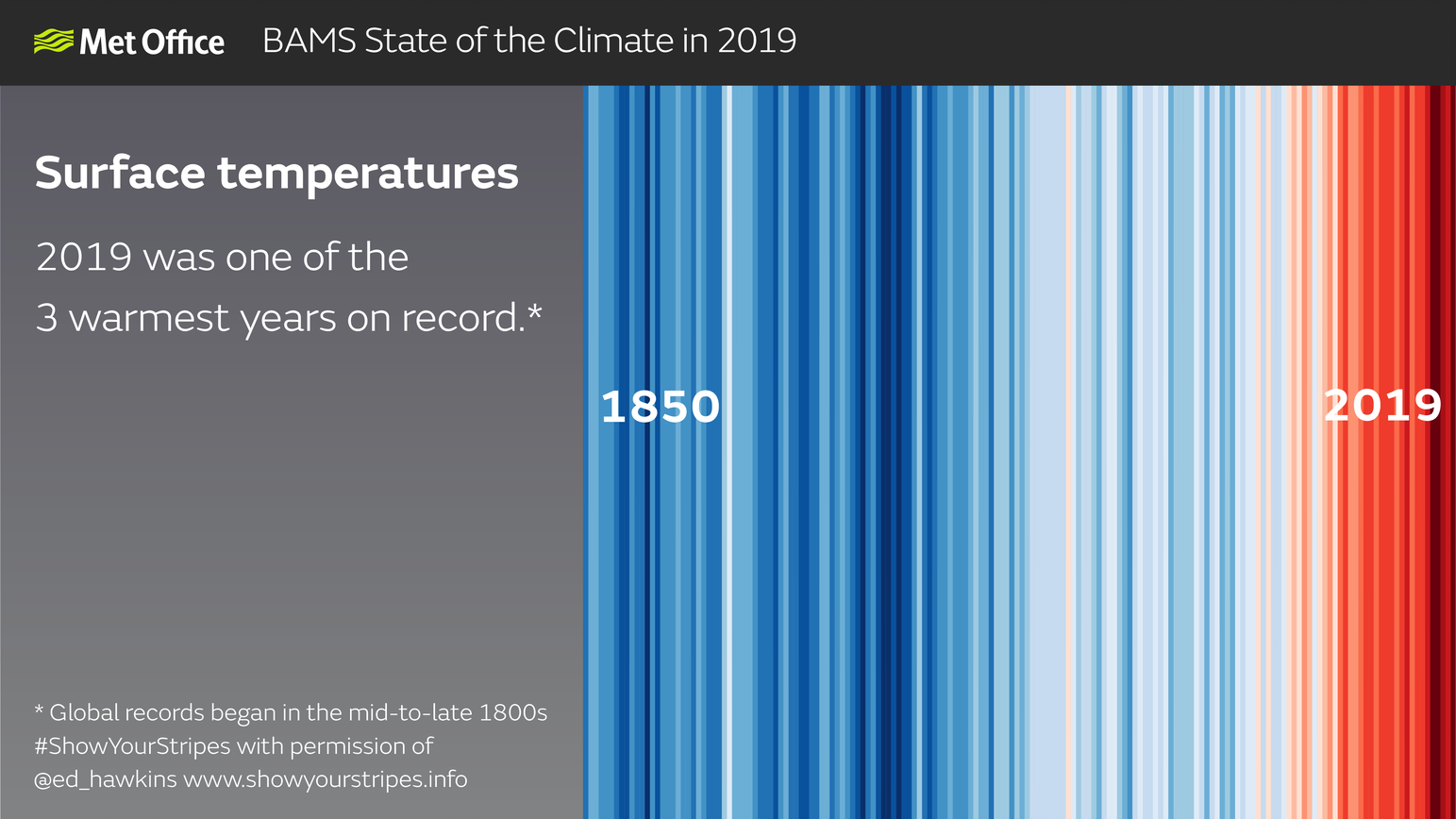
Growing season in an arctic and subarctic region was determined by using the Alaska temperature record. In addition to a short growing season the arctic presents several other challenges to a gardener. One of the consequences of a warmer climate in the Arctic will be a longer growing season. The phenological and physiological responses of arctic tundra plant species are key to predicting their survival in a warmer climate. Future efforts to calculate energy budgets and a sensible heating feedback in the Arctic will require. These results indicate that near future growing-season albedo related to Arctic vegetation change are unlikely to be particularly large and might constitute a negative feedback to climate warming in certain circumstances.
NDVI Arctic Growing Season Trends from GIMMS 3g 1982-2012.
The growing season in the Arctic is 25 to 128 days long as measured at 20 weather stations in 1950-2007. In the southern part of this area drought is the major factor limiting tree growth. What do Kermit the Frog and Arctic plants have in common. July 1 1982 - December 1 2011 JPEG Over the past three decades temperatures have risen faster in the Arctic than anywhere else in the world. The arctic tundra has a growing season of only 50 to 60 days while the alpine tundra has a growing season of approximately 180 days. Yellowknife a Canadian city 320 miles below the Arctic Circle hosted a farmers market this summer.
 Source: pinterest.com
The lengthening is greater in EA than in NA 304 versus 183 d dec 1 p 005. Cool wet growing seasons produce the most growth. These results indicate that near future growing-season albedo related to Arctic vegetation change are unlikely to be particularly large and might constitute a negative feedback to climate warming in certain circumstances. Westergaard-Nielsen et al 2017. What do Kermit the Frog and Arctic plants have in common.
 Source: pinterest.com
In the southern part of this area drought is the major factor limiting tree growth. On a misty fjord in Greenland just miles from the planets second largest body of ice Sten Pedersen is growing strawberries. These results indicate that near future growing-season albedo related to Arctic vegetation change are unlikely to be particularly large and might constitute a negative feedback to climate warming in certain circumstances. Plants enjoy a short and fast growing season due to perpetual daylight yet the Arctic summer is cool and rainy rarely above 18ºC. They also face extreme cold a short growing season drought frost heaving strong wind.
 Source: pinterest.com
Cool wet growing seasons produce the most growth. The lengthening is greater in EA than in NA 304 versus 183 d dec 1 p 005. Karlsen et al 2008 which corresponds to our own observations of above-ground growing season duration. Previous estimates of growing season length in the low Arctic are 84100 days Bokhorst et al 2008. NDVI Arctic Growing Season Trends from GIMMS 3g 1982-2012.
 Source: pinterest.com
While optical satellite-based remote sensing can provide important data to. NDVI Arctic Growing Season Trends from GIMMS 3g 1982-2012. The arctic tundra has a growing season of only 50 to 60 days while the alpine tundra has a growing season of approximately 180 days. In the winter the sun sometimes doesnt even peek out above the horizon but places like Alaska are famed for their midnight sun. Plants enjoy a short and fast growing season due to perpetual daylight yet the Arctic summer is cool and rainy rarely above 18ºC.
 Source: pinterest.com
NDVI Arctic Growing Season Trends from GIMMS 3g 1982-2012. One of the consequences of a warmer climate in the Arctic will be a longer growing season. In the winter the sun sometimes doesnt even peek out above the horizon but places like Alaska are famed for their midnight sun. The growing season in the Arctic is 25 to 128 days long as measured at 20 weather stations in 1950-2007. New NASA-led research shows that the melt season for Arctic sea ice has lengthened by an average of 20 days over the span of 28 years or 64 days per decade.
 Source: pinterest.com
Westergaard-Nielsen et al 2017. July 1 1982 - December 1 2011 JPEG Over the past three decades temperatures have risen faster in the Arctic than anywhere else in the world. The finding stems from scientists work to compile the first comprehensive record of melt onset and freeze-up dates – the melt season – for the entire Arctic. The pretty Mountain Avens are one example. Long-term changes in growing season over northern lands The growing season in the north has lengthened on an average by 858 days over the past 33 years 260 d dec 1 p 005 table 2.
 Source: pinterest.com
In addition to a short growing season the arctic presents several other challenges to a gardener. This makes the short-lived summer months very colorful. Photography A field of barley grows in the shadows of an Alaskan mountain range. This means plants must achieve their life cycle in that allotted amount of time and that includes flowering fruiting and setting seed. The finding stems from scientists work to compile the first comprehensive record of melt onset and freeze-up dates – the melt season – for the entire Arctic.
 Source: pinterest.com
The number of days with snow cover affects how wildlife and humans respond to our changing winters. In the southern part of this area drought is the major factor limiting tree growth. Tendencies in the sea- son length may be more dramatic than previous studies indi- cate due to the projected latitudinal differences in temperature. Further north in the southern and middle boreal forest warmer midsummer weather reduces growth while extension of the growing season earlier and later is associated with increased growth. Using satellite data Park et al.
 Source: pinterest.com
All around the Arctic the tundra has become browner with the greatest change occurring on the far northern Canadian Arctic Archipelago. Quick-growing Arctic tundra plants must grow quickly during the limited growing season thats permitted by Arctic temperatures and sunlight. This makes the short-lived summer months very colorful. One of the consequences of a warmer climate in the Arctic will be a longer growing season. Mean growing season JuneAugust air temperature vapor pressure deficit VPD growing degree days GDD cumulative mean daily air temperature over 0 C and thawing degree days TDD cumulative number of days with a mean air temperature over 0 C were calculated.
Source: id.pinterest.com
Tendencies in the sea- son length may be more dramatic than previous studies indi- cate due to the projected latitudinal differences in temperature. To top it all this is one of the most volcanic places on Earth with vast ash deserts and ice caps. The phenological and physiological responses of arctic tundra plant species are key to predicting their survival in a warmer climate. One of the consequences of a warmer climate in the Arctic will be a longer growing season. To say these plants must be frost hardy is obvious.
 Source: pinterest.com
The finding stems from scientists work to compile the first comprehensive record of melt onset and freeze-up dates – the melt season – for the entire Arctic. These results indicate that near future growing-season albedo related to Arctic vegetation change are unlikely to be particularly large and might constitute a negative feedback to climate warming in certain circumstances. All around the Arctic the tundra has become browner with the greatest change occurring on the far northern Canadian Arctic Archipelago. New NASA-led research shows that the melt season for Arctic sea ice has lengthened by an average of 20 days over the span of 28 years or 64 days per decade. Karlsen et al 2008 which corresponds to our own observations of above-ground growing season duration.
 Source: pinterest.com
Previous estimates of growing season length in the low Arctic are 84100 days Bokhorst et al 2008. What do Kermit the Frog and Arctic plants have in common. The map shows overall changes in greenness over the Arctic growing season between 2010 and 2014 based on NASANOAA satellite observations. On a misty fjord in Greenland just miles from the planets second largest body of ice Sten Pedersen is growing strawberries. These results demonstrate that a single short extreme winter warming event can have considerable impact on bud production phenology and reproductive effort of dominant plant species within sub-Arctic.
 Source: es.pinterest.com
The 20162017 Arctic sea ice growth season OctoberMarch exhibited one of the lowest values for end-of-season sea ice volume and extent of any year since 1979. New NASA-led research shows that the melt season for Arctic sea ice has lengthened by an average of 20 days over the span of 28 years or 64 days per decade. One of the consequences of a warmer climate in the Arctic will be a longer growing season. Long days can cause regular crops to bolt sending the plants into seed prematurely. This means plants must achieve their life cycle in that allotted amount of time and that includes flowering fruiting and setting seed.
 Source: pinterest.com
The 20162017 Arctic sea ice growth season OctoberMarch exhibited one of the lowest values for end-of-season sea ice volume and extent of any year since 1979. All around the Arctic the tundra has become browner with the greatest change occurring on the far northern Canadian Arctic Archipelago. NWT focus Summers in the NWT are short but intense with long hours of sunlight. The 20162017 Arctic sea ice growth season OctoberMarch exhibited one of the lowest values for end-of-season sea ice volume and extent of any year since 1979. Cool wet growing seasons produce the most growth.
 Source: pinterest.com
This means plants must achieve their life cycle in that allotted amount of time and that includes flowering fruiting and setting seed. The map shows overall changes in greenness over the Arctic growing season between 2010 and 2014 based on NASANOAA satellite observations. While optical satellite-based remote sensing can provide important data to. Cool wet growing seasons produce the most growth. Future efforts to calculate energy budgets and a sensible heating feedback in the Arctic will require.
 Source: pinterest.com
This means plants must achieve their life cycle in that allotted amount of time and that includes flowering fruiting and setting seed. The GS-NDVI trends significance of these trends and a land cover map GLC2000 are provided as three GeoTIFF files. Yellowknife a Canadian city 320 miles below the Arctic Circle hosted a farmers market this summer. New NASA-led research shows that the melt season for Arctic sea ice has lengthened by an average of 20 days over the span of 28 years or 64 days per decade. The growing season in the Arctic is 25 to 128 days long as measured at 20 weather stations in 1950-2007.
 Source: pinterest.com
Using satellite data Park et al. New NASA-led research shows that the melt season for Arctic sea ice has lengthened by an average of 20 days over the span of 28 years or 64 days per decade. NWT focus Summers in the NWT are short but intense with long hours of sunlight. Tendencies in the sea- son length may be more dramatic than previous studies indi- cate due to the projected latitudinal differences in temperature. Karlsen et al 2008 which corresponds to our own observations of above-ground growing season duration.
 Source: pinterest.com
Further north in the southern and middle boreal forest warmer midsummer weather reduces growth while extension of the growing season earlier and later is associated with increased growth. Alaskas Growing Season Alaska has a very short growing season only 105 days on average. The number of days with snow cover affects how wildlife and humans respond to our changing winters. These results indicate that near future growing-season albedo related to Arctic vegetation change are unlikely to be particularly large and might constitute a negative feedback to climate warming in certain circumstances. In the southern part of this area drought is the major factor limiting tree growth.
This site is an open community for users to share their favorite wallpapers on the internet, all images or pictures in this website are for personal wallpaper use only, it is stricly prohibited to use this wallpaper for commercial purposes, if you are the author and find this image is shared without your permission, please kindly raise a DMCA report to Us.
If you find this site beneficial, please support us by sharing this posts to your favorite social media accounts like Facebook, Instagram and so on or you can also bookmark this blog page with the title growing season in the arctic by using Ctrl + D for devices a laptop with a Windows operating system or Command + D for laptops with an Apple operating system. If you use a smartphone, you can also use the drawer menu of the browser you are using. Whether it’s a Windows, Mac, iOS or Android operating system, you will still be able to bookmark this website.